

Köpguiden till automatiska cirkelsågmaskiner: Vad du bör veta innan du investerar
 2026.06.09
 Branschnyheter
Vad en automatisk cirkelsåg faktiskt gör annorlunda
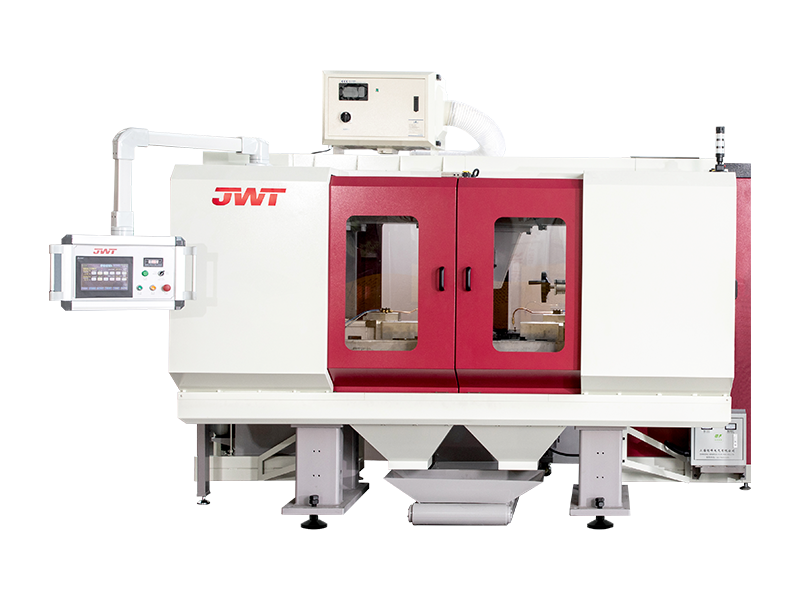
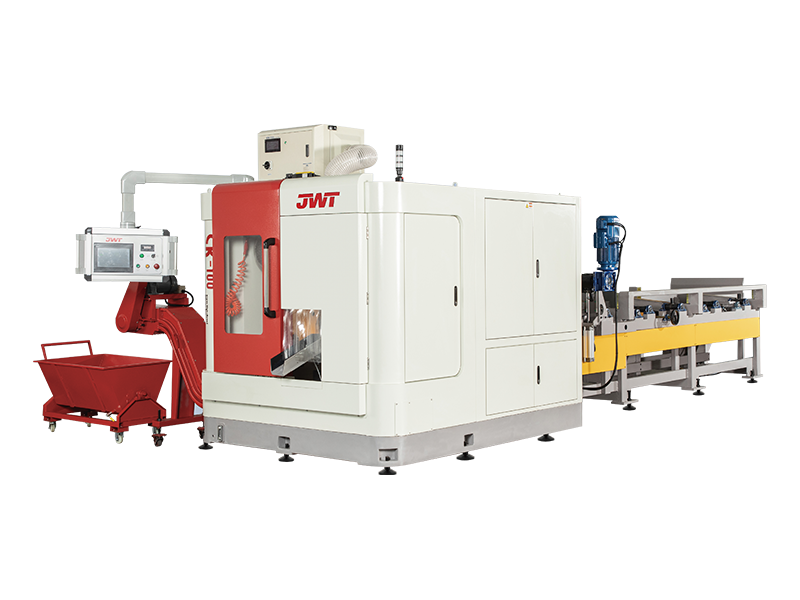
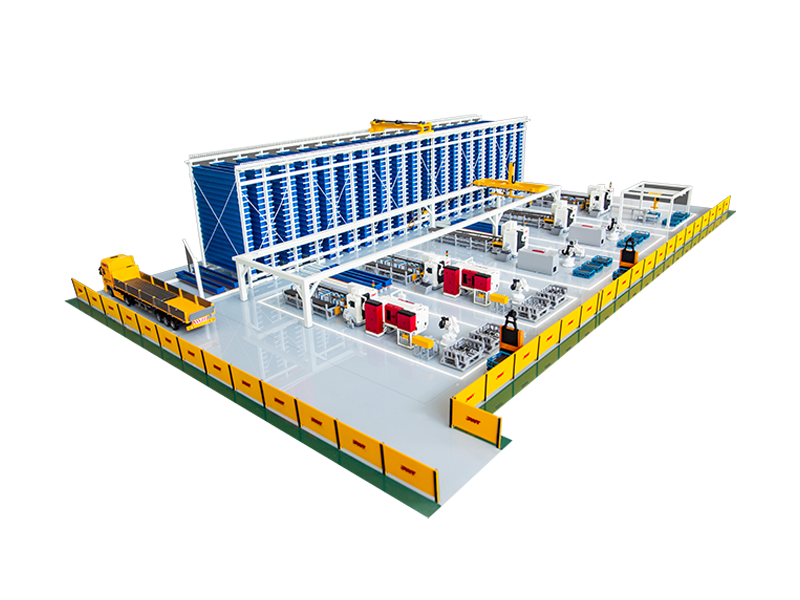
En automatisk cirkelsåg är inte bara en cirkelsåg med motor. Den avgörande egenskapen är automatisering - maskinen hanterar materialmatning, skärpositionering, fastspänning och cykelsekvensering utan att behöva en operatör manuellt styra varje snitt. Beroende på konfigurationen kan den också hantera materialinmatning från en stång eller spole, längdmätning, styckräkning och utmatningsstapling, allt integrerat i en enda produktionscykel.
Denna distinktion är viktig eftersom den direkt förändrar ekonomin och tillämpningsområdet jämfört med manuella eller halvautomatiska alternativ. En skicklig operatör på en manuell såg kan utföra 100–150 snitt per timme på en bra dag, med konsistens som försämras under ett långt skift. En automatisk cirkelsågmaskin som körs i produktionsmiljö kan klara 400–800 snitt per timme med dimensionella toleranser som hålls konsekvent över hela körningen. För verksamheter där skärvolym, längdnoggrannhet eller arbetskostnad är begränsningar, är det gapet hela affärsfallet för investeringen.
Automatiseringen förändrar också operatörens roll. Istället för att utföra skärningen programmerar operatören jobbet, laddar material, övervakar cykeln och hanterar undantag. En enskild operatör kan ofta övervaka flera maskiner samtidigt, vilket är en meningsfull arbetseffektivitet som manuell skärning inte kan matcha.
Huvudtyper av automatiska cirkelsågmaskiner och var varje passar
Kategorin omfattar en rad maskinarkitekturer designade för olika material, skärvolymer och produktionsmiljöer. Att förstå vilken typ som passar din applikation är det första filtret innan du utvärderar specifika modeller.
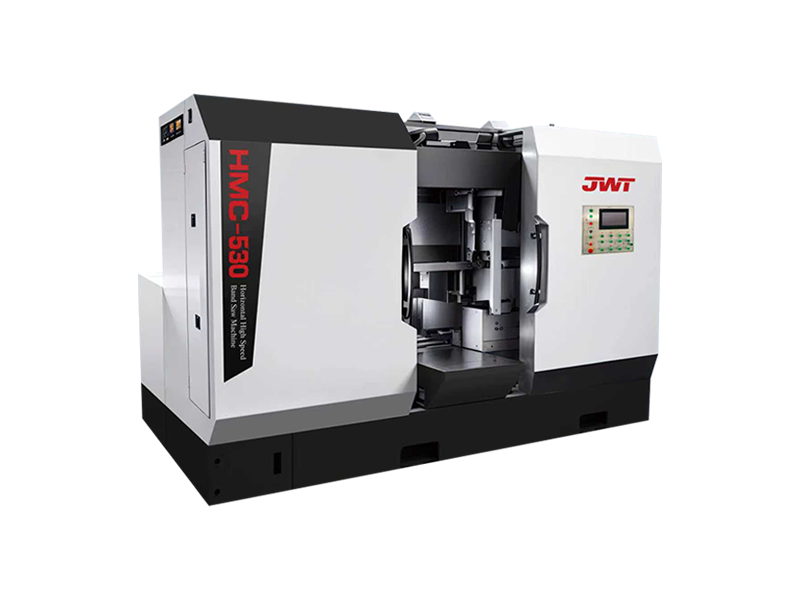
Kallsåg (automatisk metallcirkelsågmaskin)
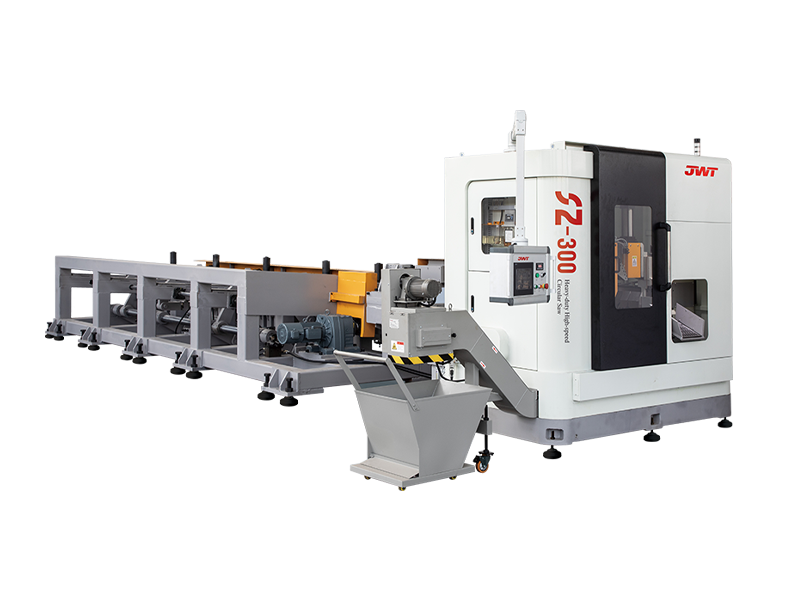
Kallsågar använder ett tandat cirkulärt blad som körs vid lågt varvtal med skärvätska för att generera spån snarare än värme. Eftersom bladet förblir svalt finns det ingen värmepåverkad zon på snittytan, ingen grad i de flesta fall och ingen härdning av snittkanten. Automatiska kallsågmaskiner är det dominerande valet för precisionsskärning av massivt stångmaterial, konstruktionsstål, aluminiumprofiler, koppar och mässing. Skärkvaliteten är tillräckligt hög för att många applikationer inte kräver någon sekundär efterbehandling. De är långsammare än slip- eller friktionssågar i rågenomströmningstermer, men skärkvaliteten och bladets livslängd gör dem mer kostnadseffektiva i de flesta metalltillverkningssammanhang.
Automatisk cirkelsåg med hårdmetallspets
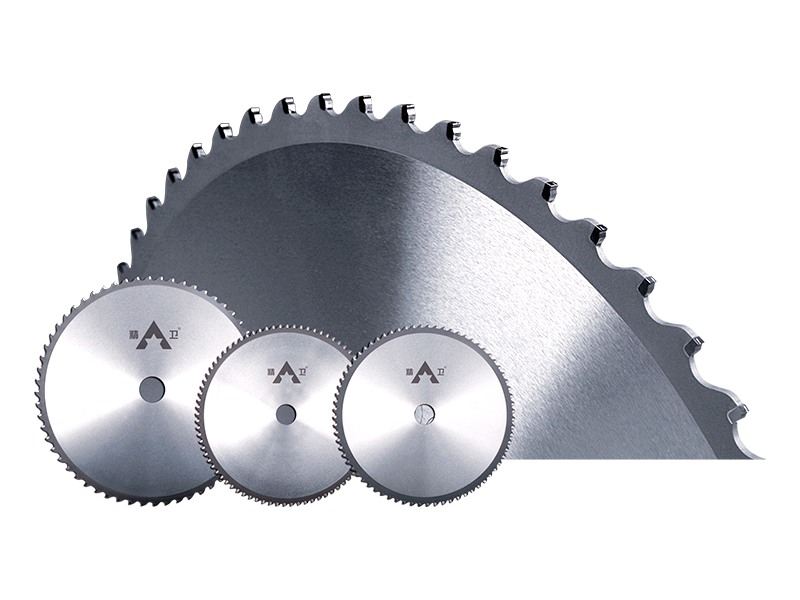
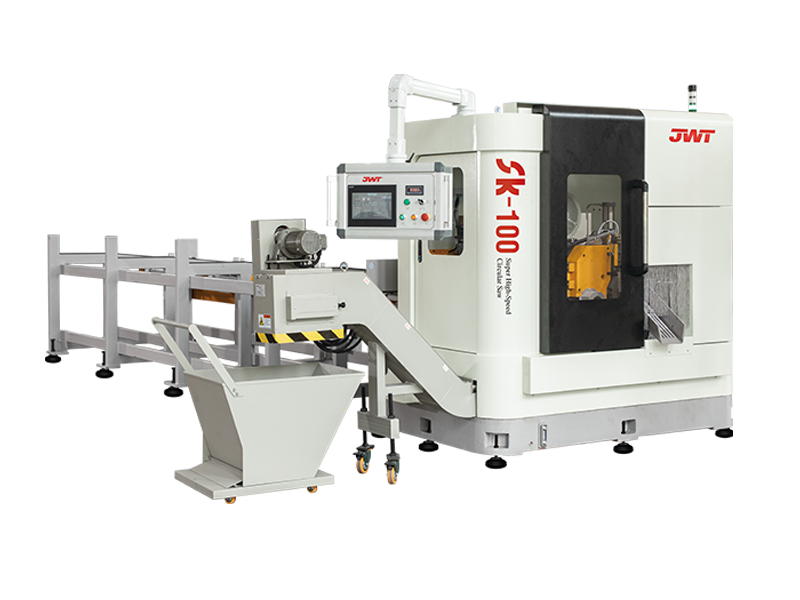
Cirkelsågar med hårdmetallspets går med högre hastigheter än kallsågar och används i stor utsträckning för att skära icke-järnmetaller, plaster, kompositer och träbaserade material. De ger en ren, slät snittyta vid högre matningshastigheter än vad kalla sågar tillåter. Automatiska versioner med programmerbar matning och längdstopp är vanliga inom aluminiumtillverkning, fönster- och dörrtillverkning samt möbelkomponenttillverkning. Bladets livslängd påverkas starkt av materialets hårdhet och spånavstånd - att matcha bladgeometri och tandantal till materialet är avgörande för både skärkvalitet och driftskostnad.
CNC-cirkelsågmaskin
En CNC-cirkelsågsmaskin lägger till programmerbar kontroll över alla skärparametrar - matningshastighet, bladhastighet, skärvinkel, längdstopp och cykelsekvensering - genom en dedikerad CNC-styrenhet. Dessa maskiner är byggda för högmixade produktionsmiljöer där jobben ändras ofta och där skärvinkel mångsidighet (geringssnitt, sammansatta vinklar) krävs. CNC-styrning möjliggör optimeringsfunktioner som automatisk sortering av skärlistor för att minimera materialspill, spårning av rester och integration med ERP eller produktionsledningssystem. De har en högre ingångskostnad än automatiska sågar med fast cykel men ger betydligt större flexibilitet.
Bunt- och flersträngs automatiska sågar
För operationer som behöver skära flera stycken stångmaterial, rör eller profil samtidigt, klämmer och skär buntsågar flera strängar i en enda cykel. Detta multiplicerar genomströmningen utan att multiplicera cykeltiden, vilket gör dem lämpliga för högvolyms stålservicecenter och distributionstillämpningar. Avvägningen är att skärvinkelalternativen är begränsade och materialet måste vara enhetligt över hela paketet – det här är genomströmningsoptimerade maskiner, inte flexibilitetsoptimerade.
Viktiga specifikationer att jämföra när du väljer en maskin
Specifikationsblad för industriella cirkelsågmaskiner innehåller många siffror. Det är dessa parametrar som faktiskt avgör om en maskin passar dina produktionskrav.
| Specifikation | Vad det betyder | Varför det spelar roll |
| Maximal skärdiameter | Största runda eller fyrkantiga sektion maskinen kan skära | Måste täcka ditt största förväntade arbetsstycke med marginal |
| Bladets diameter | Sågbladets fysiska storlek | Bestämmer skärkapacitet; större blad kostar mer per byte |
| Bladhastighet (rpm/m/min) | Rotations- eller perifer skärhastighet | Måste matcha materialkraven; för snabbt på stål genererar värme |
| Matningskraft / matningshastighet | Hur aggressivt bladet går fram genom materialet | Driver cykeltid; måste kunna styras för olika material |
| Längdmätnoggrannhet | Tolerans för positionering i längdklippning | Bestämmer om sekundära dimensioneringsoperationer behövs |
| Geringsintervall | Vinkelt skärområde (t.ex. 0° till 60°) | Krävs om dina jobb inkluderar vinklade snitt |
| Spännsystem | Hur materialet hålls under skärningen (hydrauliskt, pneumatiskt, mekaniskt) | Påverkar skärnoggrannhet, materialmärkning och cykeltid |
| Styrsystem | PLC, CNC eller proprietär styrenhet | Bestämmer programmeringsflexibilitet, integrationsförmåga och supporttillgänglighet |
Utöver dessa kärnparametrar, be om verkliga cykeltidsdata om materialprofiler som liknar din applikation. Tillverkare anger maximala hastigheter under idealiska förhållanden; faktisk genomströmning på ditt specifika material vid din erforderliga längdtolerans kan skilja sig åt. Att begära ett testklipp på ditt material - antingen personligen på tillverkarens anläggning eller genom en provklippningsdemonstration - är det mest tillförlitliga sättet att verifiera prestandapåståenden innan du förbinder dig till ett köp.
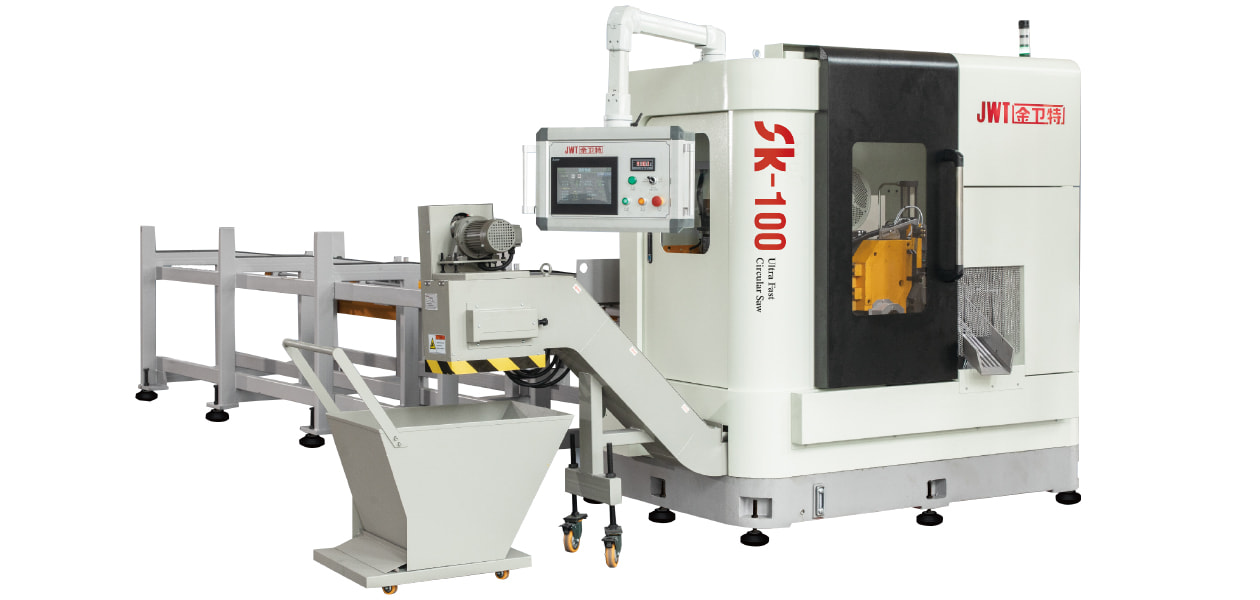
Materialkompatibilitet: Matcha maskinen till det du skär
En automatisk cirkelsåg är inte ett universellt skärverktyg. Varje maskintyp och bladkonfiguration är optimerad för ett specifikt materialområde, och att köra fel material genom fel maskin försämrar skärkvaliteten, förkortar bladens livslängd och kan skada själva maskinen. Så här mappas vanliga material till maskintyp:
- Milt stål och konstruktionsstål: Automatiska kallsågmaskiner är standardvalet. Låg knivhastighet, skärvätska och hårdmetall- eller HSS-blad ger rena skär utan värmeförvrängning. Slipande hjulsågar kan skära stål snabbare men lämnar en grov, härdad skäryta som kräver sekundär bearbetning.
- Rostfritt stål: Kräver långsammare matningshastigheter och mer skärvätska än mjukt stål för att klara arbetshärdning. Dedikerade rostfria blad med lämplig tandgeometri är väsentliga – att använda ett standardblad av mjukt stål på rostfritt påskyndar arbetets härdning vid skäreggen och förkortar bladets livslängd dramatiskt.
- Aluminium och icke-järnmetaller: Automatiska skärmaskiner med hårdmetallspets som körs med högre hastigheter är lämpliga. Aluminium kräver blad med högt tandantal, positiva spånvinklar och spånavstånd utformade för de långa, trådiga spån som aluminium genererar. Skärvätska eller luftblästring behövs för att rensa spån och förhindra återskärning.
- Plast och kompositer: Bladval är avgörande - fel blad orsakar smältning, flisning eller delaminering. De flesta tekniska plaster skär rent med finkuggade hårdmetallblad vid måttliga hastigheter. Fiberförstärkta kompositer kräver specialiserade diamant- eller PCD-blad (polykristallina diamanter) och genererar slipdamm som kräver korrekt dammutsug.
- Trä och träbaserade paneler: Höghastighetssågar med hårdmetallspets är standard. För massivt trä bör tandgeometrin anpassas till fiberriktningen. För MDF, spånskivor och laminat minimerar fintandade blad flisbildning på ytfaner eller laminatyta.
- Rör och ihålig sektion: Variation i väggtjocklek och det avbrutna snittet när bladet lämnar varje vägg kräver bladkonfigurationer som skiljer sig från massiv stång. Vissa automatiska sågar inkluderar rörspecifika matnings- och fastspänningsinställningar för att hantera de olika skärdynamikerna och förhindra klingavböjning eller materialkollaps under fastspänning.
Automationsfunktioner som direkt påverkar produktiviteten
Nivån på automatisering som är inbyggd i en industriell cirkelsågmaskin varierar avsevärt mellan ingångsnivå och helt integrerade produktionssystem. Det här är funktionerna som direkt leder till mätbara produktivitets- och kvalitetsförbättringar:
Automatiskt längdstopp och materialmatning
Ett programmerbart längdstopp positionerar materialet till önskad skärlängd automatiskt, vilket eliminerar manuell mätning och dimensionsvariationen som följer med det. Tillsammans med en automatisk stångmatare eller buntlastare kan maskinen köra en komplett klippsekvens på en hel stång utan att operatören behöver ingripa utöver den första inställningen. På maskiner med servodriven längdpositionering kan en noggrannhet på ±0,1 mm över hela stånglängder uppnås - snävare än de flesta manuella inställningar kan leverera konsekvent.
Resthantering och materialoptimering
Avancerade CNC-cirkelsågsmaskiner inkluderar skäroptimeringsprogram som sekvenserar skärlistan för att maximera utbytet från varje stång, vilket minimerar restmaterial. Denna funktion är särskilt värdefull vid skärning av dyra material som rostfritt stål eller aluminium, där materialkostnaden är en betydande del av delkostnaden. Vissa system integrerar resterande spårning – loggar återstående stapellängder i inventeringen så att de kan allokeras till framtida jobb istället för att skrotas.
Adaptiv matningskontroll
Avancerade automatiska cirkelsågsmaskiner inkluderar sensorer som övervakar skärbelastning eller bladmotorström i realtid och justerar matningshastigheten automatiskt för att bibehålla optimala skärförhållanden. Detta kompenserar för materialhårdhetsvariationer, bladslitage och förändringar i sektionsgeometri (såsom in- och utträde av ihåliga sektioner) utan operatörsinmatning. Adaptiv matningskontroll förlänger bladets livslängd, bibehåller skärkvaliteten och minskar risken för bladskador från aggressiv matning till oväntat hårt material.
Automatisk bladslitagekompensation
När ett blad slits minskar dess effektiva diameter, vilket påverkar skärpositionen om den inte kompenseras. Maskiner med automatisk bladslitagekompensation mäter eller beräknar effektiv bladdiameter och justerar skärcykeln för att bibehålla längdnoggrannheten. Utan denna funktion måste operatörerna med jämna mellanrum kalibrera om maskinen manuellt när bladen slits – en tidskrävande process som introducerar ett fönster med felaktiga delar om omkalibreringen försenas.
Säkerhetskrav för industriella cirkelsågmaskiner
Automatiska cirkelsågmaskiner är högenergikapningsutrustning som arbetar med hastigheter och krafter som kräver korrekt konstruerade säkerhetssystem. Överensstämmelsekraven varierar beroende på marknad, men följande representerar nuvarande standardpraxis för industriella installationer:
- Bladskydd: Full kapsling av bladet under skärcykeln är standard på moderna automatiska maskiner. Skyddet måste förhindra åtkomst till bladet under någon del av skärcykeln och bör endast tillåta åtkomst när bladet har stannat helt och all lagrad energi har försvunnit.
- Säkerhetsspärrar: Alla åtkomstdörrar och skydd ska vara förreglade till maskinens styrsystem så att öppning av eventuella skydd medan maskinen är i cykel stoppar skärrörelsen omedelbart. Säkerhetsklassade förreglingsenheter (uppfyller IEC 60947-5-3 eller motsvarande) krävs på de flesta marknader.
- Nödstopp: Nödstoppsknappar vid varje förarplats och på maskinkroppen är obligatoriska. På maskiner med långa in- eller utmatningstransportörer säkerställer ytterligare nödstopp med intervaller längs linjen att operatörer kan nå en snabbt oavsett deras position.
- Spån och kylvätskeinneslutning: Metallskärning genererar spån och kylvätskespray som måste finnas i maskinens hölje för att skydda förare och den omgivande miljön. Spåntransportsystem som automatiskt tar bort spån från skärzonen är standard på produktionsmaskiner och minskar den manuella rengöringstiden avsevärt.
- Buller och vibrationer: Industriella cirkelsågmaskiner i produktionshastigheter kan generera betydande ljudnivåer. Akustiska kapslingar eller ljuddämpande paneler finns som tillval på de flesta plattformar. Arbetsplatsbullerbedömningar krävs i de flesta jurisdiktioner om operatörer utsätts för ihållande nivåer över 80–85 dB(A).
- CE/UL-certifiering: För maskiner som säljs till EU- respektive nordamerikanska marknader bekräftar CE-märkning (Machinery Directive 2006/42/EC) och UL- eller CSA-certifiering att maskinen har bedömts mot tillämpliga säkerhetsstandarder. Kontrollera alltid att dessa certifieringar är aktuella och täcker den specifika maskinkonfiguration som köps, inte bara basplattformen.
Total ägandekostnad bortom inköpspriset
Anskaffningskostnaden för en automatisk cirkelsåg är den mest synliga siffran men sällan den viktigaste under en 10–15 års livslängd. Dessa är kostnadskategorierna som förtjänar uppmärksamhet under utvärderingsprocessen:
Blade Cost and Life
Sågblad för industriella cirkelsågmaskiner representerar en återkommande driftskostnad som varierar kraftigt beroende på material, bladspecifikation och skärförhållanden. En hårdmetallklinga för aluminiumskärning kan kosta $150–$400 och hålla flera hundra tusen skärningar under bra förhållanden. Ett kallsågblad för stål kan kosta 300–800 USD och hålla 50 000–150 000 snitt beroende på materialkvalitet och skärparametrar. Beräkna förväntad bladkostnad per skär för din specifika applikation — det är ofta en viktigare artikel än maskinunderhåll under utrustningens livslängd.
Skärvätskesystem
Kallsågar och de flesta automatiska metallsågar kräver skärvätska för kylning, smörjning och spånspolning. Detta innebär löpande kostnader för vätskekoncentrat, vattenbehandling, vätskeanalys och underhåll samt slutligt omhändertagande av förbrukad vätska. Dimutsugssystem tillför ytterligare kapital och driftskostnader. För drift med stora volymer är vätskehantering ett icke-trivialt driftsövervägande – vissa anläggningar byter till nästan torra eller minimala smörjsystem (MQL) för att minska vätskehanteringens komplexitet.
Planerat underhåll och reservdelar
En automatisk sågmaskin som körs i produktion är en betydande tillgång vars stillestånd har en verklig kostnad. Utvärdera tillverkarens lokala servicenätverk, reservdelars tillgänglighet och ledtider samt tillgängligheten av fjärrdiagnostikstöd före köp. För verksamheter på marknader som ligger långt från tillverkarens primära tjänstebas kan denna bedömning förskjuta det föredragna leverantörsvalet bort från det lägsta prisalternativet. Förebyggande underhållssatser, servicekontrakt och operatörsutbildningsprogram är värda att prissätta under köpförhandlingen snarare än efter installationen.